
A curious boy and the birth of Hawaii’s signature sound
Trending
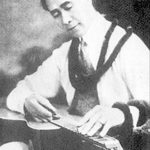
Scholars have traced the origin of the Hawaiian steel guitar to Joseph Kekuku, a young schoolboy from Laie who stumbled upon the uniquely Hawaiian sound in 1885 while "fooling around" with his guitar. The 11-year-old began sliding different objects across the strings, curious about what sounds that might produce. Intrigued by the elongated, relaxed tones, he experimented further using hair combs and tumblers rather than fingers to manipulate the strings.
While a student at Kamehameha School for Boys in Honolulu, Kekuku tinkered with the concept in his school's shop class and ultimately developed the precursor of the present-day steel guitar. He swapped steel strings for gut to hold the notes longer, fashioned a smooth steel bar to replace combs and tumblers, and raised the guitar frets to allow an easy glide across the strings.
Kekuku relocated to the Mainland as an adult, spreading this new sound across the United States and Europe through teaching and performance tours. By the early 1900s, Kekuku's inventive spin on the guitar had caught fire as the quintessential sound of the islands.
"When he left Hawaii, Kekuku took with him his culture, his language and his music and shared it with the world," says Alan Akaka, festival chair for the Maui Hawaiian Steel Guitar Festival and globally recognized steel guitar performer and teacher. As the 20th century unfolded, Hawaiian music anchored by the steel guitar, seeped into the collective musical consciousness.
"The Hawaiian steel guitar is a very important part of Hawaiian music, culture and tourism," says Akaka. "It's part of the allure that brings people to Hawaii. When people hear the glissandos (slides), they say, 'Ahh, that's Hawaii. I want to go there and lie under a palm tree. It's the sound of Hawaii."