
Park urges drivers to watch out for nene
Trending
Haleakala National Park urges visitors to be especially careful to avoid endangered nene on Crater Road during breeding season, which runs through March.
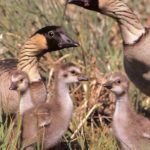
The birds, found only in Hawaii, are more active near the road in the park because it bisects native shrubland where nene feed and nest, park officials said. This makes the birds more vulnerable to becoming roadkill.
Park employees have installed traffic-calming devices, signs and radar devices to warn people about speeding. In the Headquarters Visitor Center area near the park entrance, where nesting pairs are often seen, fences have been installed to keep the birds off the road.
Multilingual "Slow Down for Nene" posters are being distributed to rental car agencies on Maui through an outreach program. Park visitors get a free card that lists ways to protect the endangered birds.
"Slowing down and driving carefully are the most important actions visitors and local drivers can take to help this species," said park Superintendent Natalie Gates. "We need everyone's help to protect the nene."
The nene goose is the state bird, and there are more than 1,300 statewide, according to the park service website. About 450 birds are found on Maui, 250 to 300 of them at Haleakala. They are found at the 5,500- to 8,000-foot elevation of Haleakala and at the 3,000- to 4,000-foot elevation in the West Maui Mountains.
The Molokai population, currently at 74, is increasing; the Maui bird numbers are static, the park service said.
Though the nene are believed to have resided on all major Hawaiian Islands at one time, there were known populations only on the Big Island at the time of first European contact, the park service said. Populations were down to 30 by 1952, and propagation programs were started.
The breeding season is from October to March, and the birds mate for life. Nests are bowl-shaped and usually hidden under shrubs. Females lay two to five eggs per nest. The incubation period is 30 days.