
Citing taxpayer confusion, mayor vetoes tax bill
Council override needs two-thirds vote
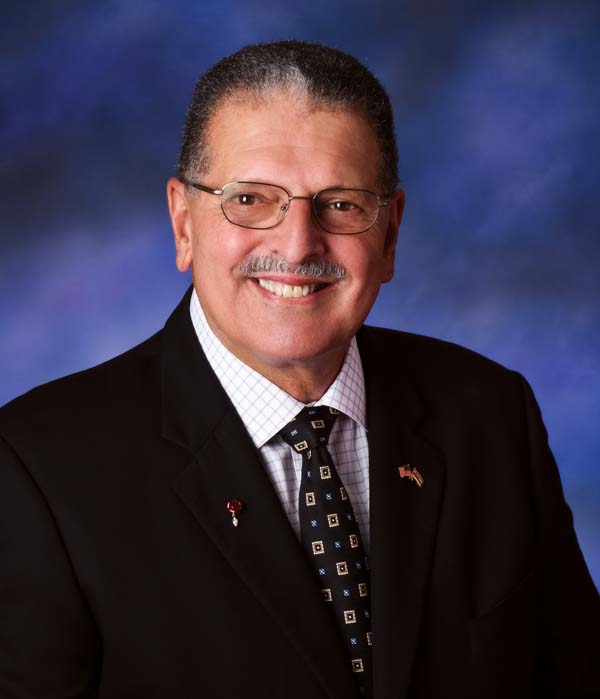
MICHAEL VICTORINO – Vetoes tax reform measure

ALICE LEE – Surprised by mayor’s veto
MICHAEL VICTORINO – Vetoes tax reform measure
ALICE LEE – Surprised by mayor’s veto
Trending
Pointing to taxpayers' confusion and possible "negative" impacts, Mayor Michael Victorino on Thursday afternoon vetoed a real property tax reform bill that would set new classifications.
Slated to take effect next fiscal year, Bill 59 changes homeowner class to "owner-occupied" and puts parcels with dwellings that do not have a home exemption in a "non-owner-occupied" class.
Council Member Alice Lee, who was part of the budget committee's temporary investigative group on tax reform that helped produce the measures, said she was "a little surprised" by the mayor's move.
"We have been working with the administration throughout the whole process," she said Thursday evening. "We created the (temporary investigative group); staffing that group was personnel from the Real Property Tax Division of the Finance Department. We have been working very collaboratively with the administration in developing the tiers and the establishment of the classifications. I am very surprised about that."
Bill 59, along with Bill 58 to set the framework for tax tiers, was approved 7-1 by the council on Nov. 22.
During recent public meetings, some residents opposed the bills, with many saying the measure lacked sufficient community vetting. Testifiers also said they wanted to see examples of possible tier rates before the council moved on the measures.
"With all of the unknowns related to the proposed tiered rates structures, the new consolidation of classifications, and the new titles of the classifications, I feel that these changes are creating confusion for real property taxpayers," Victorino said in a veto announcement Thursday that cited "concerns over the potential negative consequences of the proposed tax classifications."
"I do not feel enough information has been provided to the taxpayers of Maui County to have a complete understanding of the potential impacts of this bill," the mayor said.
With the new classifications, the non-owner-occupied group includes agricultural and rural-zoned improved land with dwelling (affecting more than 4,000 properties); conservation-zoned improved with dwelling (more than 90); condominiums that are second homes or are rented long term (more than 7,700); and vacant land condominiums not zoned commercial, industrial or hotel (more than 950).
Victorino said he objects to the council's combining "properties with dwellings" in the current agricultural, conservation, apartment and rental classifications into the new non-owner-occupied group.
Combining the classifications sparked concerns because the four classifications currently have different tax rates. However, if they were combined, they would have to be under a single rate.
"This consolidation would have impacts based on the adopted real property tax rate," Victorino said.
The largest group in the non-owner-occupied classification is the current residential classification, which holds a majority of the long-term rentals and has the lowest tax rate among the four classifications being combined to form non-owner-occupied, he added.
"In order for the rate to be revenue neutral, our calculations (based on the fiscal year 2020 certified values and rates) show that we would need a rate of $5.92 per $1,000 of assessed value," Victorino said.
The current rates of the four classifications are residential ($5.60), agricultural ($5.94), apartment ($6.31) and conservation ($6.43).
"While I realize the tax burden could be shifted within the non-owner-occupied classification through the implementation of the proposed tiered rates structure, I would like our taxpayers to have more time to review how these potential changes will affect them," Victorino said.
Meanwhile, Victorino signed Bill 58, which gives options and flexibility to set tiers at same, similar or different rates.
"Bill 59 overhauls the Real Property Tax classifications and consolidates classifications with unknown impacts," Victorino told The Maui News on Thursday. "Bill 58, however, gives the mayor and council the flexibility to establish multiple combinations of rates amongst the tiers, as they are needed."
Bill 58 establishes framework for the tiered system but does not set new rates, council members have said. They added that rates would be set with public input over the spring budget session. If the public decides no tiers should be implemented, each tier can be set at the same rate. Tiered real property tax rates were intended to be established for the new classifications.
Both bills are slated to launch next fiscal year, which begins July 1.
Now, the council has the option after five days and within 30 days after the bill has been returned to override the veto with a two-thirds vote, per county charter rules.
Lee said she will take time to look over the veto before answering questions on whether overriding the veto is possible. Council Vice Chairwoman Keani Rawlins-Fernandez, who leads the Economic Development and Budget Committee, said Thursday that "much time and consideration was given to the first two tax reform bills that received overwhelming support from the council members.
"As council members continue to provide outreach and education on these bills, I would be happy to sit down with the mayor and see if an explanation of our in-depth work and consideration will belay his concerns for the community at large, because I am certain we all have the same motivation and goals at heart," she said.
Council Member Yuki Lei Sugimura, the sole "no" vote on Nov. 8's first reading and at Nov. 22's final reading, with Council Member Riki Hokama absent, has been asking the council to slow down so the community can grasp the changes.
Sugimura reiterated her stance Thursday, saying that the bills will have big impacts on residents and more time is needed for outreach.
Rawlins-Fernandez in recent public meetings defended the process, saying tax reform has been in the works for years by both the council and the administration. She added that the budget committee voted in May to create the temporary investigative group, comprising Rawlins-Fernandez, along with Council Members Tasha Kama, Lee and Tamara Paltin, to explore tax reform ideas.
Lee added Thursday that council members have done community outreach and will continue to do so as the budget session approaches.
"We have been doing a lot of community outreach and we've been getting a lot of attendance," she said. "We feel this is all part of the process, getting input from the public."
* Kehaulani Cerizo can be reached at kcerizo@mauinews.com.