
Local clinics are rolling out booster shots for most at risk
Sites already seeing some interest; additional doses open to general public Sept. 20
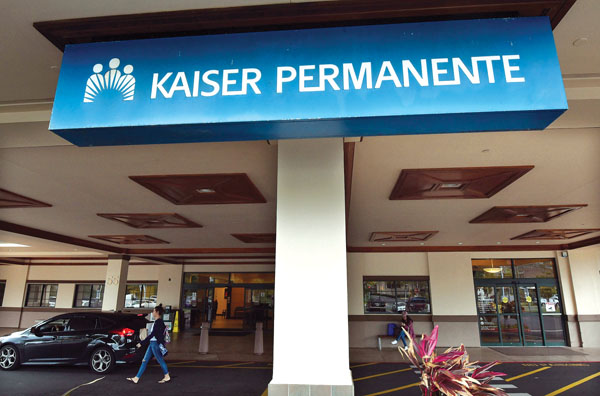
Kaiser Permanente’s Maui clinic, pictured in February 2020, is one of the many local health care facilities and vaccination sites that are beginning to offer additional mRNA COVID-19 vaccines to immunocompromised patients following CDC recommendation. The Maui News / MATTHEW THAYER photos
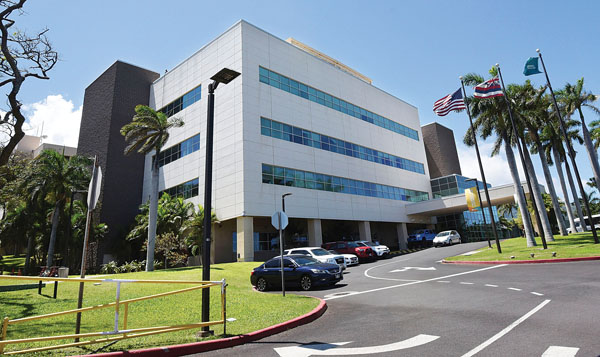
Maui Health said it has already administered 81 booster shots to qualified residents since Friday.
Kaiser Permanente’s Maui clinic, pictured in February 2020, is one of the many local health care facilities and vaccination sites that are beginning to offer additional mRNA COVID-19 vaccines to immunocompromised patients following CDC recommendation. The Maui News / MATTHEW THAYER photos
Maui Health said it has already administered 81 booster shots to qualified residents since Friday.
Trending
Additional mRNA COVID-19 vaccine doses have already begun to be administered after health officials recommended a booster shot for residents with weakened immune systems amid a spike in cases.
Last week, the U.S. Centers for Disease Control and Prevention said that moderately to severely immunocompromised people should receive another dose once the initial two-dose primary mRNA vaccine series is complete.
Local clinics and vaccination sites have already started giving out third doses, including Maui Health which has administered 81 booster shots to qualified residents since Friday, said spokeswoman Tracy Dallarda, adding that "we do anticipate more qualified individuals will be more comfortable receiving the (Pfizer) vaccine" since the FDA's full approval on Monday.
Distribution efforts have been "going very well, and starting to pick up the pace," Dallarda said Tuesday.
Qualified recipients, who also must attest to being immunocompromised, can make an appointment through the Vaccine Administration Management System on vams.cdc.gov or walk in during clinic hours, which are from 9 a.m. to 12 p.m. and 1 to 4 p.m. Monday and Friday at Maui Memorial Medical Center.
The registration process as well as the administration and dosage of the vaccine is the same as before.
Patients are recommended to receive the same vaccine type as the initial vaccine series. They should wait a minimum of four weeks after their second dose before getting the booster, according to Maui Health, and it's never too late to get the booster.
A booster shot of the Johnson & Johnson vaccine is not offered by any medical provider, yet, until more data is provided in the coming weeks.
Currently, Maui Memorial Medical Center is only administering Pfizer.
"You have the important decision to get vaccinated and protect yourself," Dallarda said. "This is the next step in maintaining that protection, especially against a highly contagious variant."
Residents needing to receive a Moderna vaccine can visit MauiNuiStrong.info for a list of vaccination sites.
There are two "distinct potential uses" for an additional dose of the vaccine, including for those who are immunocompromised who need to build stronger protection against the virus, according to the CDC.
In contrast, a booster dose is given to a person who has built enough protection after vaccination, but that protection has decreased over time, also called "waning immunity," according to the CDC.
However, the need for and timing of a COVID-19 booster dose for those with waning immunity have not been established otherwise, the agency said. Although "no booster doses are recommended at this time" for the general public, this guidance will be updated as more information becomes available this fall.
Kaiser Permanente Hawaii is "currently vaccinating certain immunocompromised individuals with a third dose of COVID-19 vaccine," specifically solid organ transplant recipients or those who are diagnosed with conditions that are considered to have an equivalent level of immunocompromise. This applies to people who received Pfizer (ages 12 and up) or Moderna (18 years old and up) for their primary two-dose series.
"We will also vaccinate additional groups as they become eligible," said Kaiser spokeswoman Laura Lott.
Kaiser is reaching out and advising immunocompromised patients that they can receive their additional mRNA COVID-19 vaccine at any of the 13 facilities statewide, even without an appointment.
Lanai Community Hospital as well as Queen's Health Systems, including Molokai General Hospital, is offering Pfizer and Moderna booster shots at all vaccine clinics for immunocompromised individuals only.
According to Queen's, conditions that do not qualify for a booster at this time include diabetes, obesity, chronic lung disease, congestive heart failure or HIV patients without severe immunosuppression, for example.
Conditions that do qualify for a booster include those receiving active treatment for solid tumor and hematologic malignancies, chronic liver disease or receipt of solid-organ transplant and taking immunosuppressive therapy, for example.
The University of Hawaii Maui College held a walk-in COVID-19 vaccination clinic at the Pa'ina Building on Saturday, where nearly 100 people were administered shots.
UH-MC Chancellor Lui Hokoana said on Monday that about 30 of those were first-time doses and the remaining were booster shots.
"So the message is definitely getting out there," Hokoana said.
A mass booster shot event will be held at the college on Sept. 23, he added.
Walgreens locations are also offering an additional dose of Pfizer and Moderna COVID-19 vaccines, according to a news release last week. Patients should bring their vaccination record to appointments and will be required to attest to their eligibility for a booster.
"Walgreens is committed to administering COVID-19 vaccines to our most vulnerable populations as quickly and safely as possible," said Kevin Ban, Walgreens chief medical officer, in the news release. "As one of the first companies to begin providing these vaccines, we have an experienced team of pharmacists and technicians, as well as the infrastructure to support the increased demand for these vaccines."
Like other providers, the clinic said that the additional dose of the COVID-19 vaccine should be the same vaccine as the initial series, when possible, and administered at least four weeks after completing the primary regimen.
CVS Pharmacies/Longs Drugs across Maui on Saturday began offering a third dose of Pfizer and Moderna to eligible individuals. Walk-ins are welcome, but an appointment is recommended.
CVS Health just announced that certain employees who interact with patients as well as all corporate staff are required to be fully vaccinated for COVID-19 by Oct. 31, effective Monday. New hires in the same roles as of Sept. 15 must have received their first COVID-19 vaccine prior to their first day of employment.
President and CEO Karen Lynch said that "while the vast majority of our employees have chosen to be vaccinated, this decision is in direct response to the dramatic rise in cases among the unvaccinated."
Groups that currently do not qualify for a booster include health care workers, those at long-term care facilities and kupuna.
The national rollout for the general public will begin the week of Sept. 20 and start eight months after an individual's second dose, said the U.S. Department of Health and Human Services in a news release.
"At that time, the individuals who were fully vaccinated earliest in the vaccination rollout, including many health care providers, nursing home residents and other seniors, will likely be eligible for a booster," the department said. "We would also begin efforts to deliver booster shots directly to residents of long-term care facilities at that time, given the distribution of vaccines to this population early in the vaccine rollout and the continued increased risk that COVID-19 poses to them."
* Dakota Grossman can be reached at dgrossman@mauinews.com.