
Endangered Hawaiian species to get protections
Trending
The Maui News
In a legal victory stemming from a Center for Biological Diversity lawsuit, the U.S. Fish and Wildlife Service agreed Monday to designate protected critical habitat for 39 endangered plants and 10 endangered animals, the Center said in a news release.
The 'Ake'ake (band-rumped storm-petrel), anchialine pool shrimp and palms known as Baker's loulu are in line for habitat protections by June 30, 2027. The Service has until June 30, 2028, to designate habitat for the remaining 46 species.
"I'm glad these fragile Hawaiian species will finally get the habitat protections they desperately need to survive," said Maxx Phillips, the Center's Hawai'i director and staff attorney. "There's just no way these special plants and animals can recover if we don't protect their homes."
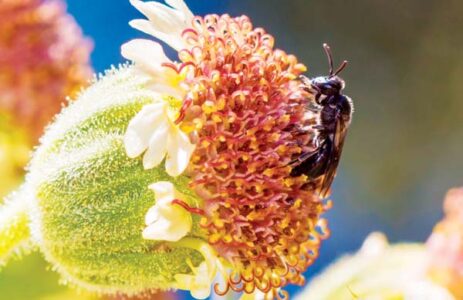
Monday's agreement follows the Center's 2022 lawsuit challenging the agency's failure to designate critical habitat for these 49 plants and animals. The species, such as the nalo meli maoli -- also called the Hawaiian yellow-faced bee -- are highly vulnerable to extinction because of their small population size and habitat loss. Habitat protections are now more than six years overdue, the Center said.
Habitat loss to urbanization, damage from nonnative and invasive species, and wildfires are pushing these vulnerable species toward extinction. These threats are only made worse by the increasing effects of climate change through sea-level rise and coastal inundation.
Many of these species perform important ecosystem services. For example, native flora, especially understory plants such as the six ferns that will receive protection under this agreement, are essential to healthy watersheds and forests. Similarly, nalo meli maoli are important native pollinators, notably in highly threatened coastal habitats.
"Hawaii is in the midst of an extinction crisis, and habitat destruction is the number one cause," Phillips said. "Protecting the places these unique plants and animals require for survival is crucial in our fight to keep them from going extinct."