
Study aims to protect limu amid climate change, increased groundwater pumping
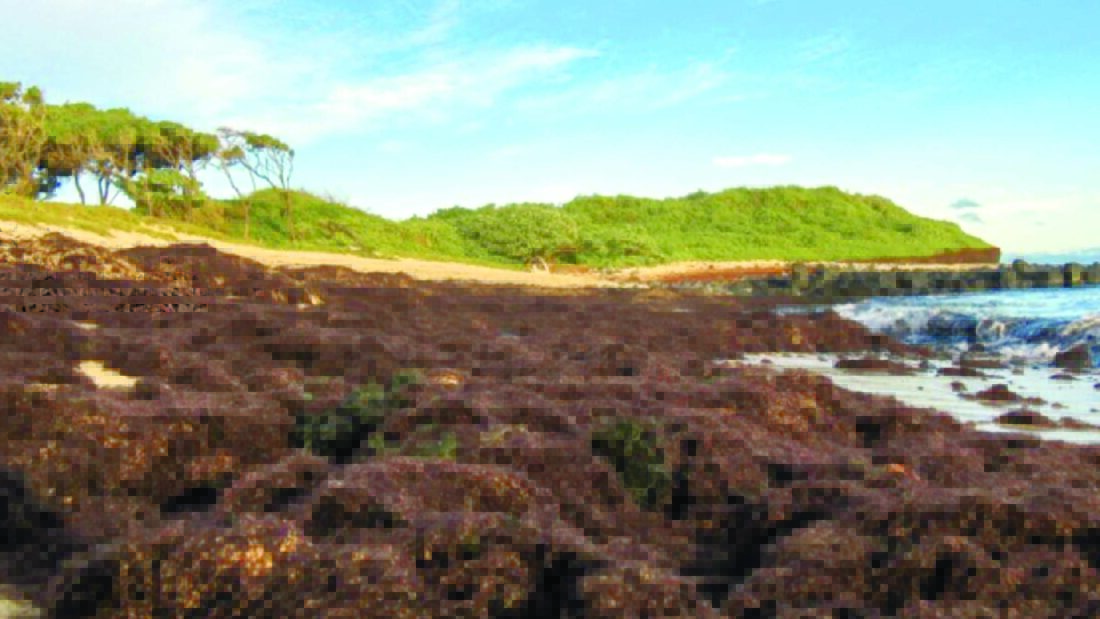
Hypnea musciformis, a type of invasive seaweed, blooms on Maui. JENNIFER SMITH photo
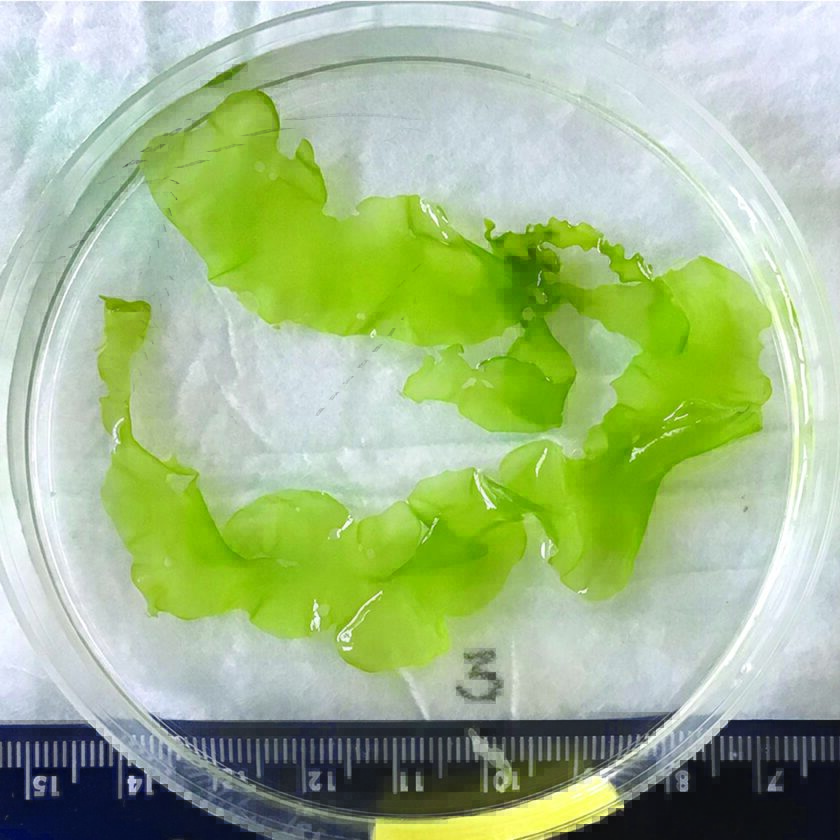
A sample of limu palahalaha, a native and culturally important type of seaweed, is shown. Photo courtesy UH
Hypnea musciformis, a type of invasive seaweed, blooms on Maui. JENNIFER SMITH photo
A sample of limu palahalaha, a native and culturally important type of seaweed, is shown. Photo courtesy UH
Trending
The Maui News
A new study aims to find ways to protect limu and the groundwater-dependent ecosystems that support them, as climate change and increased groundwater pumping seem likely to decrease the abundance of limu palahalaha, a native species, and increase habitat for Hypnea musciformis, an invasive seaweed.
Limu have tremendous cultural value as important and nutritious traditional food sources. They play a critical role in coastal ecosystems as they are eaten by fish and turtles, and they represent unparalleled biodiversity with more than 600 native species, according to a University of Hawai'i news release Thursday.
Wai, or fresh water, is intricately linked to limu. Because of the connection between fresh water and limu as important cultural and ecological resources, limu and the groundwater-dependent ecosystems that support them are considered a public trust use of water, the news release said. Many limu grow in brackish conditions near groundwater discharge seeping from underground springs, thriving off of the extra nutrients and the reduced salinity that this fresh water brings. Less fresh water from climate change, increased groundwater pumping or changes in watershed management could mean less limu palahalaha.
According to researchers, a major challenge is understanding how public trust uses of water, such as for limu, are affected by interacting drivers of climate change, watershed management and groundwater pumping. Working together, an interdisciplinary team of researchers at UH-Manoa combined limu lab experiments with limu field data and land-sea modeling to better understand how urban development and increased groundwater pumping; climate change and reduced recharge; and native forest protection, or maintenance of groundwater recharge, influence nearshore water quantity and quality, such as salinity and nutrients, and how this influences the growth of a native limu and an invasive macroalgae along the Kona coast of the Keauhou aquifer.
"Collectively, this work provides the first quantitative evidence of links between climate change, land-use change, groundwater management and limu, a critical public trust resource," according to the researchers. "While there is little we can do to directly influence climate change at the global scale, we have the power to influence trajectories of groundwater use and of watershed management."
The results of the research include:
• Reduced rainfall from climate change reduces submarine groundwater discharge and increases salinity of nearshore waters.
• Future urban development coupled with elevated water demand will likely further decrease submarine groundwater discharge and increase salinity in coastal springs. Increased urban development also increases nutrients (nitrogen and phosphorus) in the groundwater and nearshore water because of wastewater and fertilizer on lawns.
• Protecting native forests prevents the further loss of fresh water and further increases in salinity.
Applying directly to limu, the team found that reductions in groundwater recharge due to climate change are likely to cause an overall decrease in the habitat suitability for native limu palahalaha, but result in an overall increase in habitat for the invasive macroalgae. Urban development exacerbates this as does the loss of native forest to invasive species, the news release said.
The researchers suggested the following actions:
• Develop and expand water conservation and reuse initiatives.
• Ensure that new water use is not in conflict with water needed for public trust uses.
• Invest in watershed conservation through watershed partnerships and other programs.
• Invest in cesspool upgrades and effective wastewater management.
Future research will explore the link between wastewater management and limu, as well as links between multiple drivers of environmental change and effects on a diversity of limu and invasive macroalgae species, the news release said.
The study was published in "Water Resources Research" this month, and is a collaboration among the UH Economic Research Organization, the Water Resources Research Center, School of Life Sciences, Department of Earth Sciences and Hawai'i Institute of Geophysics and Planetology, with the input and support of many community and agency partners.