
Mālama Hāmākua Maui cleans up rubbish heaps while restoring native plants
Trending
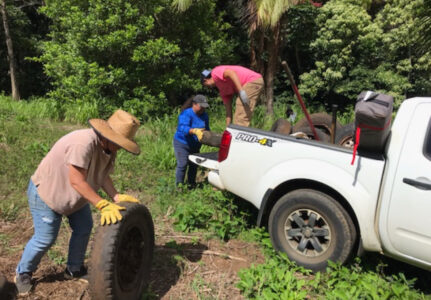
Land that had become a garbage heap of old tires, appliances and household trash is now being used by the group Mālama Hāmākua Maui to grow native plants in the Haiku region.
"It's part of the bigger picture of restoring the land and for everybody to reconnect with history," said Maile Davis, the group's project manager. "We just started growing plants five years ago. We put in about 1,200 native plants last year."
Davis said some of the people like herself are lineal descendants of the area. As they clear and restore native plants to the area, they're finding what their ancestors did centuries ago before Westerners arrived.
Their initial guess is that their ancestors grew bananas, taro and sweet potatoes in gulches.
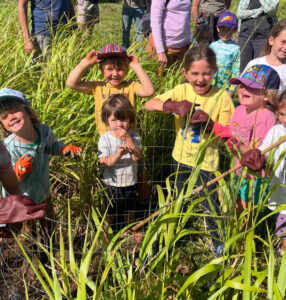
Mālama Hāmākua Maui offers student tours and hands-on participation in planting. Photo courtesy Mālama Hāmākua Maui
Native plant restorationist Jordan Tabura said he understands there have been archaeological studies, and a further step might be extracting soil and doing a pollen analysis to determine what was actually grown in certain areas.
Tabura said that during the pre-Western period, some native farmers could have been assigned to grow certain plants as part of their kuleana, and the restoration might consider growing similar plants in honor of lineal descendants.
Davis said the project grew out of talks between the county and the Haiku Community Association, which supported the purchase of 227 acres of land in portions of the ahupua'a Kuiaha and Kaupakalua in 2016-17.
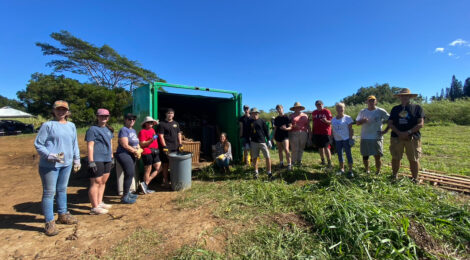
A number of volunteers in 2025 helped Mālama Hāmākua Maui to restore land helping to gather trash into the large green bin. Photo courtesy Mālama Hāmākua Maui
Located off Hahana Road, Mālama Hāmākua Maui has been restoring 15 acres of the land with the idea of regrowing native trees.
The work last year involved taking out 22 tons of trash, much of it from land that was used to grow pineapples.
Some of the money comes from the state Kaulunani Urban & Community Forestry Program.
Davis said the volunteer group has erected three water catchment tanks and will likely erect a fourth on their next work day on Jan. 31. Workshops about seasonal observations will take place from 7:30 to 9 a.m., and the monthly workshop of planting and cleanup will follow from 9 to 11:30 a.m.
Mālama Hāmākua Maui will also host a Seed Ball Creation Workshop at 4:15 p.m. Feb. 20, offering hands-on learning using native seeds gathered from the area to support long-term restoration efforts.
Davis said the group welcomes school and community groups to the workshops by appointment and looks forward to expanding cultural and educational offerings throughout the year.
For more information, contact Maile Davis at malamahamakuamaui@gmail.com or by phone, 808-385-3176, or go to www.malamahamakuamaui.com.
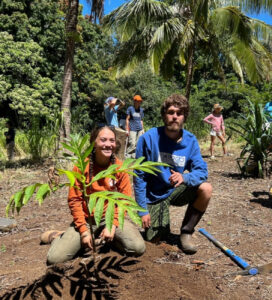
Volunteers help plant a breadfruit or ulu tree under the Mālama Hāmākua Maui restoration program. Photo courtesy Mālama Hāmākua Maui
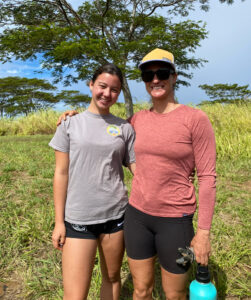
Big wave surfer Paige Alms is a volunteer helping Mālama Hāmākua Maui in efforts to restore the land. Standing next to her is another volunteer Sunny Davis. Photo courtesy Mālama Hāmākua Maui
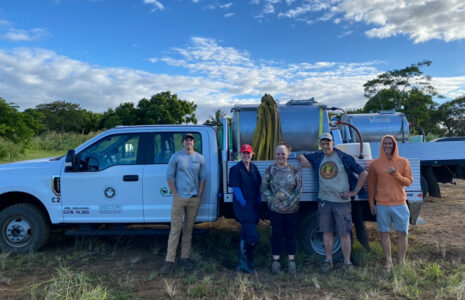
Mālama Hāmākua Maui also works with the state Maui Invasive Species Committee to remove coqui frogs from their land. The silver tanks contain citric acid used to spray and kill the frogs. Photo courtesy Mālama Hāmākua Maui