Research describes shark species’ habits
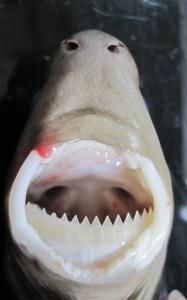
The cuts left by a cookiecutter shark are recognizable for their uniformity, helping to identify the species by bite marks. Photo courtesy of University of Hawaii
A Hawaii study has found that a certain species of sharks is more likely to bite humans during periods of low light.
The feeding habits of cookiecutter sharks found in channel waters are closely tied to lunar cycles, with higher activity during darker, low-illumination periods, a study led by Dr. Steven Minaglia said.
Cookiecutter sharks are known for their distinctive feeding method that leaves cookie-cutter-shaped wounds.
They’re typically found in deep tropical and subtropical waters.
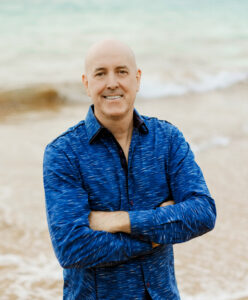
Minaglia, an associate professor of obstetrics and gynecology and women’s health at the University of Hawaii at Manoa John A. Burns School of Medicine, is an avid channel swimmer, which helped to pique his interest in identifying safer conditions for swimming between Molokai and Oahu.
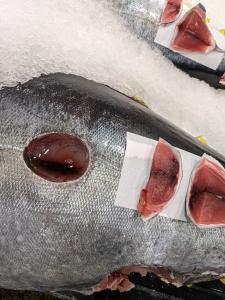
Cookiecutter sharks leave distinctive marks on the fish in the sea. Photo courtesy of University of Hawaii
He said the study showed how environmental conditions can increase the likelihood of these bites.
Of the seven reported cookiecutter shark bites on humans worldwide, six occurred in Hawaii, and five of those involved channel swimmers.
Minaglia’s study analyzed data from 1961 to 2023, covering 129 successful solo channel swims and five shark-related injuries.
He discovered a link between these incidents and environmental conditions, particularly during moonless nights.
The risk of shark bites significantly increases during complete darkness compared to when the moon or sun is visible.
Other factors, such as swim start times and the time of year, also correlate with the likelihood of an incident.
Minaglia successfully swam the challenging Kaʻiwi Channel in 22 hours in October 2020 during a full moon. He noted the strong currents during full moons also made it a successful but difficult swim.
“I hope this research provides valuable insights into safe swimming practices for the global swimming community,” Minaglia said.
Local News
BDC Director David Daly named MEO Employee of the Year
Research describes shark species’ habits

From the lab to lava: Ben Miller brings volcanic comedy to Maui

Nashville-based Native Hawaiian musician Kapali Long makes Maui debut
Maui film commissioner to speak at the Rotary Club of Lahaina Sunset