
Trump proclamation targets fishing restrictions in Papahānaumokuākea
Trending
President Donald Trump signed a proclamation Thursday to reopen portions of three Pacific marine national monuments to commercial fishing, drawing praise from fishery managers and criticism from conservation and Native Hawaiian organizations.
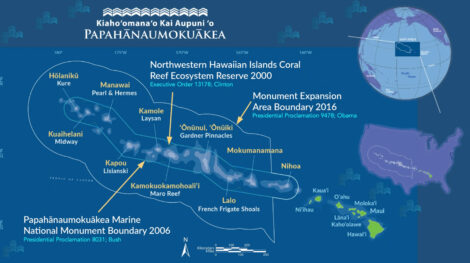
The proclamation, “Restoring American Commercial Fishing in the Pacific,” affects portions of Papahānaumokuākea Marine National Monument and National Marine Sanctuary in Hawaii, as well as the Muliāva (Rose Atoll) and Mariana Trench marine national monuments.
Trump said the action would help create new business opportunities for commercial fishermen by restoring access to portions of the western Pacific Ocean.
The Western Pacific Regional Fishery Management Council welcomed the proclamation, saying it returns fisheries management decisions to the regional council process established under the Magnuson-Stevens Fishery Conservation and Management Act.
“We are pleased that under the authority of the Magnuson-Stevens Act, the management of fishing in monument waters is returning to the fishery councils,” Council Executive Director Kitty Simonds said in a statement.
However, the Papahānaumokuākea Coalition and Pacific Islands Heritage Coalition have been critical of the proclamation, saying it will weaken protections for some of the Pacific’s most ecologically significant marine environments.
Located in the Northwestern Hawaiian Islands, Papahānaumokuākea was established as a marine national monument in 2006 and expanded in 2016. The area is home to more than 7,000 marine species, including endangered Hawaiian monk seals, green sea turtles and numerous species of seabirds.
"Papahānaumokuākea is a sacred place for Native Hawaiians; it’s part of our origin stories," said Dr. Kekuewa Kikiloi, co-chair of the Papahānaumokuākea Native Hawaiian Cultural Working Group. "President Trump’s most recent proclamation undermines two decades of public and stakeholder effort to protect this special region of Hawaii. We’re committed to holding the line and fighting this in court."
The coalition also pointed to University of Hawaii research that found protections within Papahānaumokuākea have increased nearby yellowfin tuna catch rates by 54% and bigeye tuna catch rates by 12%.
The council also noted that the bigeye tuna fleet in Hawaii operates within a quota and is
already catching its limit each year. By opening more areas to fishing the act will not increase the amount of bigeye they are allowed to catch, according to the council.
The council said the research shows Papahānaumokuākea "is doing exactly what it was intended to do: protect and contribute to the recovery of fish and wildlife." The council added that the protections are working to the benefit of the environment, residents and even commercial fishing activities.