
Wailuku Film Festival opens June 17
Festival features films on Lahaina, Mākua Valley and Indigenous stories
Trending
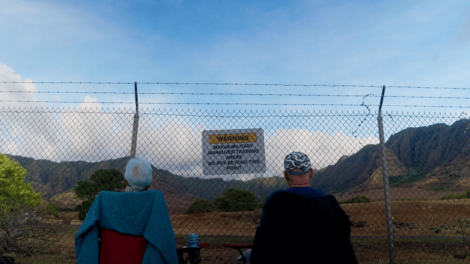
Among the films screening at the Wailuku Film Festival, Mikey Inouye's "Mālama Mākua" traces the transformation of Oahu's Mākua Valley from a place of deep cultural roots to a rallying point for grassroots activism.
The documentary chronicles the ongoing struggle to restore U.S. military-occupied lands to Native Hawaiian stewardship, connecting the local fight to global movements for peace, demilitarization and environmental justice.
In Native Hawaiian history, Mākua is where Papa and Wākea created human life. Referenced in many Hawaiian songs and stories as a sacred place, after the 1941 Pearl Harbor bombing, the U.S. Army forcibly evicted its residents. For decades, the valley and its pristine beach were subjected to military target practice, scarring both land and spirit in the name of national security. "Mālama Mākua" will screen at 5 p.m. June 19 at the Iao Theater.
Also, director Matty Schweitzer's "Lāhainā Rising" will be shown at 7:30 p.m. June 19 in the Iao Theater. It chronicles the devastation and resilience surrounding the Aug. 8, 2023, wildfire that tore through Lahaina. With over 13,000 residents displaced and a town destroyed, the film captures both the staggering loss and the community's unbreakable spirit through the deadliest U.S. wildfire in over a century. As a tribute to the people of Lahaina, the film shows how residents organized relief efforts, cared for one another and began the long road to healing and rebuilding. The film was screened at the United Nations Permanent Forum on Indigenous Issues in New York.
Showing at 8 p.m. June 18 in the Iao Theater, "The Stolen Children of Aotearoa" unearths a chilling chapter in New Zealand's history of systemic abuse in state care. Between 1950 and 2019, about 250,000 children, many of whom were Māori, suffered at the hands of the state. Veteran journalist Aaron Smale traces the origins of the racism embedded within the system that led to the forced removal of Māori children into foster care, homes, and borstals, where they were left to endure rampant abuse unchecked by authorities.
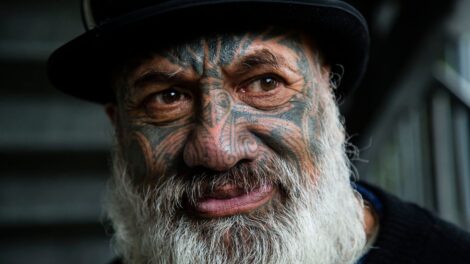
"The Stolen Children of Aotearoa" unearths New Zealand's history of state care abuse. Courtesy photo
A Radio New Zealand review noted, "These kids, now adults and kaumātua, were brought up on neglect, abuse, rape, and lies. They remember when they were taken from their homes, in some cases by a social worker knocking on the door and saying, 'Let's go clothes shopping.'"
Smale told New Zealand's 1News, "The most troubling thing I have discovered is not just the rape and torture of children, but the calculated ways lawyers, bureaucrats and politicians have gone about covering it up."
Maui filmmaker Tom Vendetti's "The World Ukulele Program-Bali" will screen at 2:30 p.m. June 20 in the Iao Theater. The film features acclaimed Hawaiian musician Keola Beamer, Kumu Hula Moanalani Beamer, Jeff Peterson, Steve Grimes and Jeff Cook teaching children in Bali how to play the ukulele and dance hula to help spread aloha around the world. Vendetti previously filmed the ukulele program in Sikkim, Bhutan and Cambodia.
Playing at 2:30 p.m. June 20 in the Iao Theater, "Along Comes Larry, the Larry Ramos Story" documents pioneering Kauai-born musician Larry Ramos, the first Asian American to win a Grammy. A child prodigy with the ukulele, he broke racial barriers by being the only non-white member of The New Christy Minstrels and The Association.
Winning a Grammy Award in 1963 with The New Christy Minstrels, he noted at the audition that he was "the only brown kid in the group." In 1967, he was invited to join the platinum-selling band The Association and performed with the group at the legendary Monterey Pop Festival. Performing on five of their studio albums, Ramos contributed lead vocals for the hit singles "Windy" and "Never My Love" (the second most played song on radio in the 20th century).
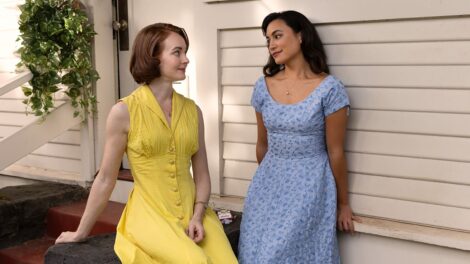
Based on a true story, "Grace" is a love story set in Honolulu in 1959. Courtesy photo
Based on a true story, "Grace," directed by Jana Park, is a love story set in Honolulu in 1959, the year Hawaii became the 50th state. The film follows Ruth, writer Elizabeth Rian's grandaunt, and her relationship with Grace, a passionate and outspoken Japanese-Hawaiian history teacher at Hale'iwa Elementary who opposes U.S. statehood. "Grace" will screen at 5 p.m. June 19 at the Iao Theater.
For more information about the Wailuku Film Festival from June 17-21, including a complete schedule of events, go to wailukufilm.com.