
Drones help researchers tag humpback whales off Maui
Trending
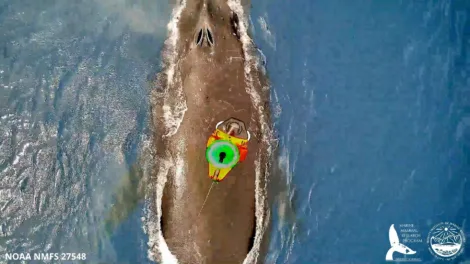
University of Hawaii researchers have successfully used drones to attach noninvasive tracking tags to humpback whales off Maui, a new technique they say could transform marine mammal research.
According to a news release, scientists with the University of Hawaii at Manoa’s Marine Mammal Research Program deployed 22 suction-cup accelerometer tags during the February 2026 field season, including on lactating females, a calf and adult males.
Traditionally, researchers attached tags by approaching whales in boats and using a 7-meter carbon-fiber pole. The new drone-based system allows researchers to deploy tags from several hundred meters away, reducing disturbance to the animals and improving researcher safety.
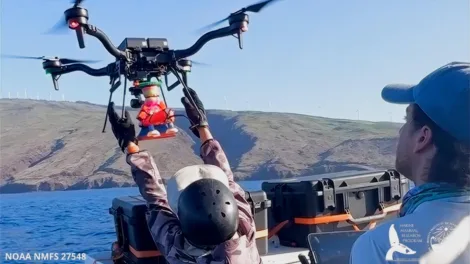
Researchers prepare to launch a drone carrying a suction-cup tracking tag during a humpback whale research mission off Maui. Photo courtesy University of Hawaii
“We do not need to get close to the whales to tag them, so we don’t disturb them,” Marine Mammal Research Program Director Lars Bejder said in a news release. “Additionally, we are able to tag whales that we previously were not able to approach and get close to.”
Researchers said the tags collect high-resolution data on whale movements and energy use, helping scientists better understand how whales respond to factors such as climate change, vessel traffic and military activities. The information can be used to support conservation and wildlife management efforts.
The project was supported by the Office of Naval Research, the U.S. Navy’s Living Marine Resources program, Dolphin Quest and private donations.
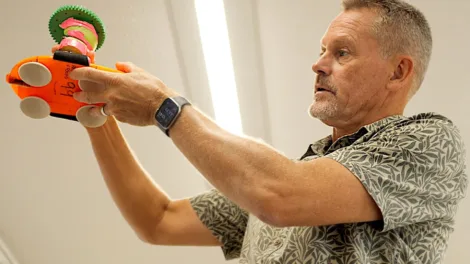
Marine Mammal Research Program Director Lars Bejder demonstrates the suction-cup tracking tag that University of Hawaii researchers now deploy from drones instead of using a pole from a research vessel. Photo courtesy University of Hawaii