
New book explores māhū and LGBTQIA+ lives in West Maui
Trending
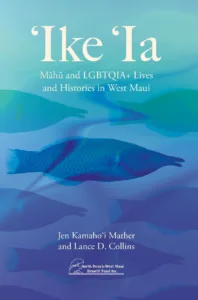
The latest release in the West Maui Book Series, "'Ike 'Ia: Māhū and LGBTQIA+ Lives and Histories in West Maui," by Jen Kamaho'i Mather and Lance D. Collins, brings to life a record of māhū and LGBTQIA+ life with oral stories that have rarely been preserved in the historical record.
The book is being published by the North Beach West Maui Benefit Fund. The launch for "'Ike 'Ia: Māhū and LGBTQIA+ Lives and Histories in West Maui" will be at 5:30 p.m. Monday at ProArts Playhouse. The free event will include a special performance by Kumu Hula Cody Pueo Pata.
It's the latest offering in the series, written by local scholars and community leaders, which explores and documents the history, culture and social change in West Maui.
Previous books have included "Lei Nāhonoapi'ilani: Songs of West Maui," "Tourism Impacts West Maui" and "Reference Guide to the Archaeology of West Maui."
"There had been a request in the West Maui community about 10 years ago to do a project like this," Collins explained. "Jen Mather is part of the group that did the Lahaina oral histories, and I was one of the interviewees. After I had been interviewed, Jen said, 'It is very interesting of all the people that we interviewed, you're the only person that mentioned anything related to gender or sexuality.'"
Collins is a Maui-based attorney, historian and writer focused on the histories of Hawai'i and the Philippines. Mather is a Kanaka ʻŌiwi whose work focuses on cultural heritage protection, historical preservation and oral history.
Some years back, Mather attempted to broach the subject with some residents. "She told me, 'I did try to get them to talk about it, but it just didn't happen,'" Collins said. "Jen said, 'Well, let's do it.' So she interviewed 10 people and basically did oral histories with them and then turned them into these narratives."
Residents of Lahaina, Kāʻanapali, Honokōwai, Mahinahina and Nāpili were interviewed, and Collins wrote a historical analysis that closes the book.
"This project began in the years following the August 2023 fires that devastated Lahaina," Mather and Collins wrote in an introduction. "For many in this collection, the fire marks a before and an after. It reshaped where people lived, where they gathered, and how they imagined the future of this town. The urgency of this project is not only about preserving memory after physical loss. It is also about documenting lives at a time when hard-won visibility and protections can feel fragile."
As part of the West Maui Book Series, Collins explained the goal is to provide knowledge and insight into West Maui's history, culture and people, with the new book exploring an important aspect of that broader story.
Among those interviewed, Mālamakai Watson recalled while a student at Kamehameha III Elementary, about a "māhū wahine everyone in town knew. Meleaka. She said, 'Hūī!'" Mālamakai remembers. Friendly. Waving at the children. "I was so enthralled," she says. "I was like, 'Oh my gosh, what is that? What is that person? That's me.'" Later, she would overhear teachers and adults speaking about Meleaka in lowered tones -- that she was 'special,' but in a way that meant unstable. That something was wrong, that this was not something to emulate -- the message filtered down clearly enough."
Another respondent, Manuel Ravida, revealed how his mother "wanted a daughter and dressed Manny in christening gowns when he was small, parading beauty through town because she needed something tender in a life that had been anything but. When he told her he was māhū, she cried only because she feared she might lose grandchildren. She never feared losing him."
"I knew most of them, but I didn't really know their lives," Collins said about reading various narratives. "I found everybody's lives very interesting, and I'm very honored that they are willing to so openly share their life struggles with the world."
More books in the West Maui series will be published.
"History marches onward, and the material conditions continue," he said. "I don't know that it will ever be exhausted because there's so much history that influences the present."
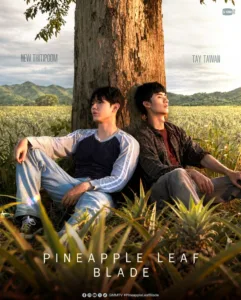
A promotional poster for the Thai television adaptation of "Pineapple Leaf Blade," a forthcoming novel set in West Maui in 2004 that explores the experiences of Thai migrant workers on Hawai'i pineapple plantations. Courtesy photo
Set in West Maui in 2004, the forthcoming novel "Pineapple Leaf Blade" by Thai author Jidanun Lueangpiansamut, draws on real-life cases of Thai migrant workers who faced exploitation, debt, and harsh conditions on Hawaii's pineapple plantations. Published by the North Beach West Maui Benefit Fund, it's being adapted for Thai television. "Even though the book hasn't gotten out yet, it's already being turned into a TV series in Thailand," he noted.
"Then there is a history of the Maui Charter Commission that's really like a study in Maui politics that's going to come out later next year," said Collins.