Jonathan Helton: Council should heed report on boards, commissions

Jonathan Helton
Maui County has more than three dozen boards and commissions that are supposed to advise the county on matters of policy — from housing to conservation to fire protection.
Unfortunately, many of these volunteer-led boards do not have clear missions, have too few volunteers to meet quorums or duplicate the efforts of other county programs and boards.
At least that’s the opinion of the Maui County Cost of Government Commission, which recommended in May after a two-year investigation of 15 of those boards that three be abolished, two be “evaluate(d) for elimination,” and the remaining 10 be reformed.
For members of the Maui County Council, the task now is to follow through on those recommendations.
The boards recommended for repeal are the Commission on Healing Solutions for Homelessness, the Urban Design Review Board and the Affirmative Action Advisory Council.
The two recommended for evaluation for repeal are the Commission on Children and Youth and the Dangerous Dog Adjudication and Appeals Board.
According to the Maui Cost of Government Commission:
• The Commission on Healing Solutions for Homelessness has been plagued by board vacancies. Currently, seven of its eleven seats remain vacant, and it met just five times in 2025. Since it was established six years ago, it has issued just one recommendation to the County Council regarding how to reduce homelessness or increase the county’s housing stock.
• The Urban Design Review Board reviews permits that already go through one of the county’s planning commissions or its Cultural Resources Commission, which adds to costs and delays for projects needing its stamp of approval.
• The Affirmative Action Advisory Council is the only board of its kind in the state and duplicates work performed by the managing director’s office.
• The Commission on Children and Youth does not have a clear purpose, nor does it really represent youth, since all its members are adults.
• The Dangerous Dog Adjudication and Appeals Board is also the only board of its kind in the state. Other counties rely on the court system and animal control agencies to determine whether an owner can keep a possibly dangerous dog.
Clearly, the County Council could abolish or significantly reform each of these five boards. Indeed, three of those five boards were flagged for repeal in a 2011 Cost of Government Commission report. But the Council at the time disregarded those recommendations.
The 10 boards recommended for reform by this latest report were the Conservation Planning Committee, Council on Aging, Hāna Advisory Committee to the Maui Planning Commission, Independent Nomination Board, Kula Agricultural Park Committee, Maui County Arborist Committee, Maui County Commission on Persons with Disabilities, Maui County Cultural Resources Commission, Maui Redevelopment Agency and the Real Property Tax Review Board.
Looking ahead, the Council could go even further to ensure that the county’s more than 20 other boards are not draining taxpayer resources.
One way it could do this would be to copy Honolulu County and create automatic reviews of each Maui County board.
On Oahu, every board and commission must be reviewed on a rolling basis once every five years. These reviews include a report from the board in question that detail its budget, accomplishments and possible reforms the Council could make to it.
These reviews help ensure that boards do not become dormant or waste taxpayer dollars. At the very least, they give the public clarity about how many times a board meets, what it does and how much it spends on its activities.
Ultimately, reports such as this newest one from the Maui Cost of Government Commission are valuable only if the Council actually uses them to improve Maui government.
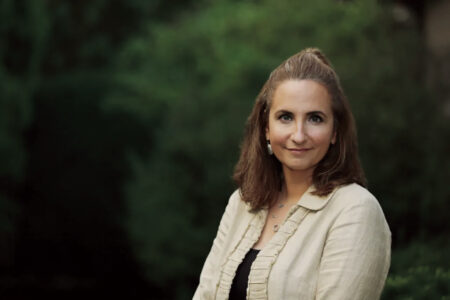
Jonathan Helton is a policy analyst at the Grassroot Institute of Hawaii.
Columns

Froma Harrop: Vote on ideas, not physical likeness

Jonathan Helton: Council should heed report on boards, commissions
Letter: Women here can’t find oncologists to treat them
When diagnosed with breast cancer last year, my PCP said women don’t die from this like they used to. Hope this ...
Clarence Page: A president who is never too busy to celebrate himself — at our expense

Dr. Jessica A. Johnson: Trusting God in a time like this