
Book Review: 19th-century plant pioneer changed how America eats
AP photo
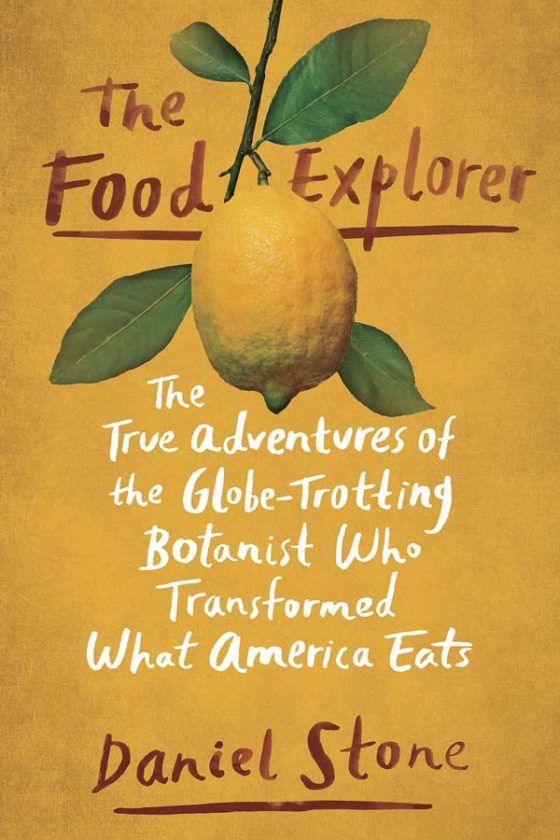
• “The Food Explorer: The True Adventures of the Globe-Trotting Botanist Who Transformed What America Eats” (Dutton), by Daniel Stone
“The Food Explorer: The True Adventures of the Globe-Trotting Botanist Who Transformed What America Eats” (Dutton), by Daniel Stone.
Who knew avocados, citrus and cherry blossoms had a spellbinding past full of smuggling, spying, tycoons and death-defying adventure?
“The Food Explorer” by Daniel Stone brings a forgotten era of American food history back to the table, with a timely twist. It turns out some of America’s first immigration battles were over plants, not people.
In the late 1800s, quantity, not variety, was the issue at most American tables. Different regions had specialities, but many farmers struggled to produce bountiful crops of grains, fruits and vegetables, partly because of limited native varieties.
A Midwest farm boy named David Fairchild dreamed of bountiful fields and tables, and he ultimately visited more than 50 countries to bring tens of thousands of new plant varieties to America.
Stone brings drama, humor and perspective to what began as a tentative U.S. Department of Agriculture program. Fairchild made a semi-official 1894 trip to Corsica, and suspicious local officials arrested and expelled him –î but not before he slyly pocketed local citron seeds and shoots.
A wealthy playboy stepped in to fund Fairchild’s travels, and soon exotic fruits, grains and vegetables were streaming back to Washington –î and to farmers who welcomed the new diversity.
Bureaucrats and politicians linked crop diversity with national prosperity, and some varieties were quickly embraced, while others languished for decades.
The agricultural bounties led to personal and professional fame.
But a backlash was coming. The exotic new plants sometimes carried devastating insects and diseases. Soon Fairchild had a botanical enemy: Charles Marlatt, a USDA rival who believed “the greatest danger is often from something you do not know about.”
The warnings about imported plants that greet travelers at airports today are a legacy of that century-old bureaucratic fight.
-

- AP photo
Pau Hana
Covid-19 Maui County Schedule Changes
The Maui News has compiled a list of countywide cancellations, closures and postponements due to coronavirus. This ...
Thrift Stores
The following is a listing of nonprofit organizations that sell an assortment of used and donated goods. For ...
Publishers Weekly Best-sellers
HARDCOVER FICTION 1. “The Boy from the Woods” by Harlan Coben (Grand Central Publishing) 2. “American ...

Pet of the Week
Ahead of the Class
To have your class, workshop or presentation included in this free listing, email its title, instructor, location, ...
