
Protecting rabbits from new disease discovered on Maui
KIA'I MOKU

Rabbit hemorrhagic disease (RHDV2) was discovered for the first time in Hawaii on a Kula farm. The virus only affects hares and rabbits. There are no wild rabbit populations in Hawaii, and it is the law to keep rabbits contained and off the ground if they are outside. Invasive wild rabbit populations are not only detrimental to the environment but would make eradicating RHDV2 impossible. — MISC photo
In June, the Hawaii Department of Agriculture alerted the public that tissues submitted by a practicing Maui veterinarian tested positive for rabbit hemorrhagic disease. The owner had a farm in Kula, and DOA determined that nine of the 12 of their rabbits had died fairly suddenly without showing significant prior signs of illness. Only recently found in the United States, RHDV2 is a virus found in hares and rabbits that causes internal bleeding and death. The Maui detection marked the first known case of this disease in Hawaii.
A New Mexico-based wildlife biologist encountered wild rabbit carcasses in 2018 while walking his dog in the desert. He sent samples the U.S. Department of Agriculture confirmed as the country’s first case of rabbit hemorrhagic disease (RHDV2). The virus later caused outbreaks in 2020 for both wild and domesticated rabbits throughout 19 states. In response, DOA ramped up biosecurity efforts to prevent infected rabbits from arriving to our islands.
Dr. Jason Moniz is the veterinarian program manager with DOA’s Animal Industry Division, Animal Disease Control Branch.
“Since the 2020 outbreak of RHDV2, importers of rabbits are required to have a veterinarian examine and issue a Certificate of Veterinary Inspection within 72 hours before departure to ensure that they are healthy and have not been exposed to RHDV2,” Moniz said.
Upon arrival in Hawaii, inspectors check the animal again before releasing it to the owner. Finally, owners are required to quarantine the rabbit for 30 days before introducing it to other rabbits. Inspectors do follow-up calls with imports seven days after arrival to ensure the rabbits remain healthy. This strict process also provides DOA with records on 100 percent of the rabbits that come into Hawaii. If there is a disease outbreak, they have the records to trace the potential origin.
With this recent case, DOA couldn’t find a link between any introduced rabbits and those on the Kula farm.
“It’s like this dropped out of the sky,” Moniz stated. However, he has suspicions about how the virus may have arrived. “RHDV2 is an incredibly hardy virus, able to survive not only on rabbits, people and inanimate objects for up to three months,” he explained.
Even wearing an unwashed piece of clothing after coming in contact with sick rabbits could trigger an outbreak months later if it comes into contact with healthy ones. Moniz also has concerns about the potential for feed to be contaminated if harvested from areas where RHDV2 is present.
Good sanitation and biosecurity practices are essential for protecting rabbits, and the same general practices apply when introducing any new animal (or plant) to protect Hawaii from new invasive pests. DOA recommends the following:
• Keep new rabbits and other animals separated for at least 30 days. Dogs, cats and other imported animals are not at risk for RHVD2, but the virus can hitchhike on their fur and spread to healthy rabbits.
• Sanitize all equipment and cages used for rabbits with 10 percent bleach or 10 percent sodium hydroxide mixed with water.
• Do not allow visitors in rabbitries or let them handle pet rabbits without clean, protective clothing. If a visitor was recently in a state that has an outbreak of RHVD2, ensure they decontaminate any items they traveled with before coming into contact with your rabbit.
• Always wash hands with warm soapy water before and after entering your rabbit area.
There are currently no wild rabbit populations in the state. If there were, a disease like RHDV2 would be impossible to eradicate. Additionally, wild rabbits can cause environmental damage. In the early 1900s, wild rabbits on Kauo (Laysan) island ate all the vegetation, causing the extinction of native seabirds that lost their habitat. Hawaii state law requires pet owners to contain their rabbits above ground under penalty of fines, loss of the pet or even imprisonment. Rabbits, well, breed like rabbits; spay or neuter them in case of accidental escape.
Owners or veterinarians experiencing unusual losses of rabbits should contact the DOA’s Animal Industry Division at (808) 483-7100 or (808) 837-8092.
Report rabbits in wild areas to the Maui Invasive Species Committee at (808) 573-6472.
Learn more about rabbit hemorrhagic disease here: www .aphis.usda.gov/publications/animal_health/fs-rhdv2.pdf.
* Serena Fukushima is the public relations and education specialist for the Maui Invasive Species Committee. She holds a bachelor’s degree in environmental studies and a graduate degree in education from the University of Hawaii at Manoa. “Kia’i Moku, Guarding the Island” is written by the Maui Invasive Species Committee to provide information on protecting the island from invasive plants and animals that threaten our islands’ environment, economy and quality of life.
-
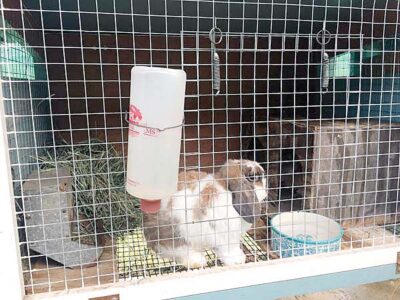
- Rabbit hemorrhagic disease (RHDV2) was discovered for the first time in Hawaii on a Kula farm. The virus only affects hares and rabbits. There are no wild rabbit populations in Hawaii, and it is the law to keep rabbits contained and off the ground if they are outside. Invasive wild rabbit populations are not only detrimental to the environment but would make eradicating RHDV2 impossible. — MISC photo
Local News
Photo of the Day: Idol

Jonathan Helton: Don’t pave paradise to put up parking lots
Parking restricted as HHSAA state championships come to Hookipa
Habitat for Humanity Maui celebrates completion of first Lahaina rebuild
Maui IT networking event returns to UH Maui College
The Chamber of Commerce Hawaii, Good Jobs Hawaii, PCATT and University of Hawaii Maui College will host an IT ...
Maui Chamber to host economic update and SBA awards May 8
The Maui Chamber of Commerce will host the Hawaii Economic Update Luncheon from 11:30 a.m. to 2:30 p.m. May 8 at ...