
PFAS detected in Haleakala National Park water system
Trending
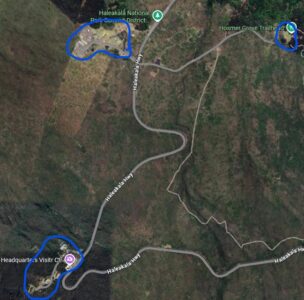
PFAS chemicals have been detected in water samples collected from the Haleakala National Park water system on Maui, according to the Hawaii Department of Health.
Samples collected between Nov. 14, 2023, and March 31, 2026, detected perfluorobutanoic acid, or PFBA, at the Haleakala Park Rain Shed Chlorinator. Detected levels ranged from 3.1 to 7.5 nanograms per liter. Those levels are not expected to pose a significant public health risk.
The National Park Service notified the state Department of Health of the initial detection on May 1.
PFBA is not currently regulated by the U.S. Environmental Protection Agency, but the state has established an environmental action level of 15 micrograms per liter for surface water that may be used as a drinking water source.
The department said the detected levels were well below that threshold.
PFAS, or perfluoroalkyl and polyfluoroalkyl substances, are man-made chemicals used since the 1940s in products such as nonstick cookware, food packaging, waterproof fabrics and firefighting foam.
According to the EPA, some PFAS compounds have been linked to possible health effects from long-term exposure.
More information is available through the EPA and Hawaii Department of Health PFAS information at epa.gov/pfas. Park users with questions may contact Haleakalā National Park at NPSHALEPublicInformation@nps.gov.